
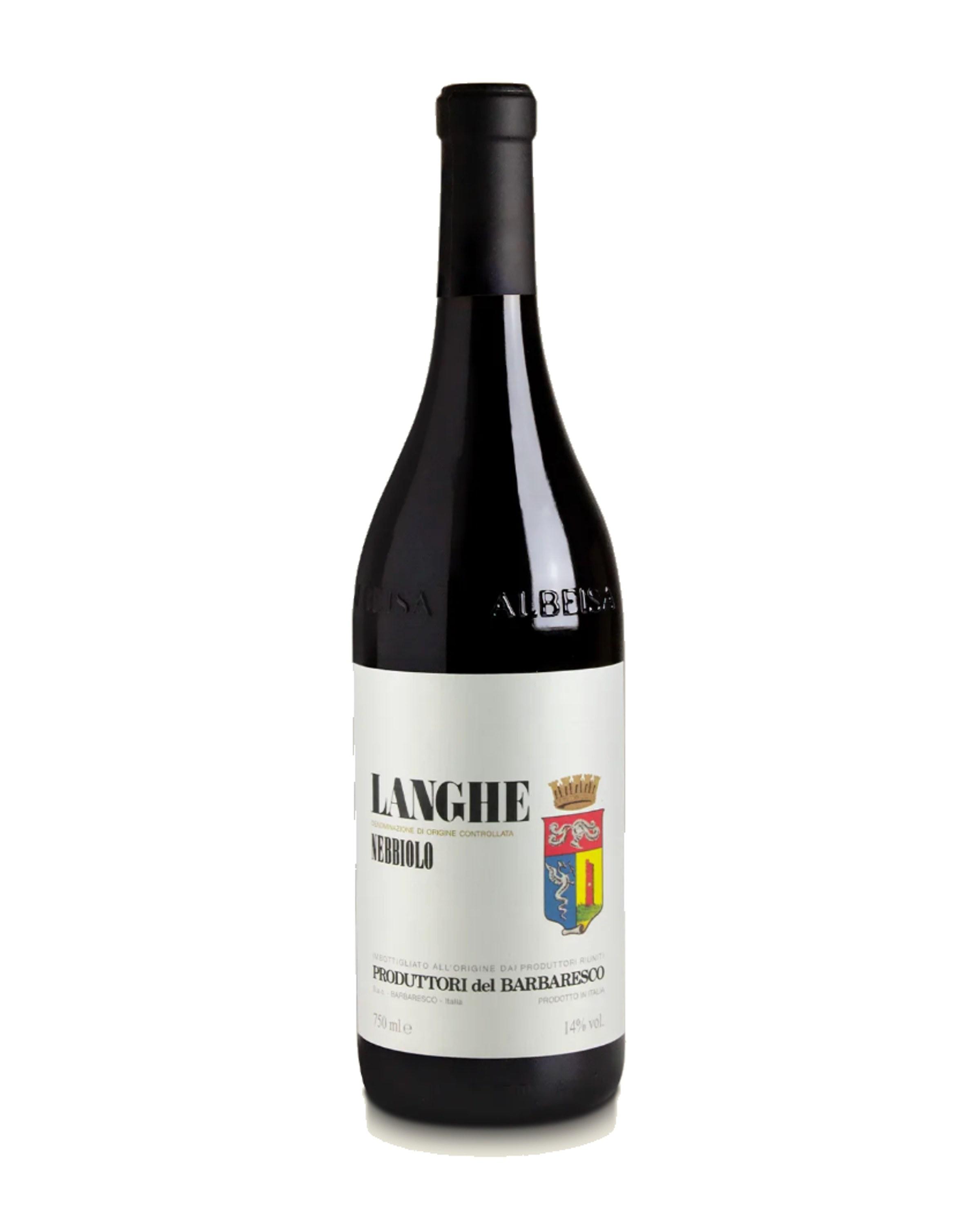
Produttori del Barbaresco
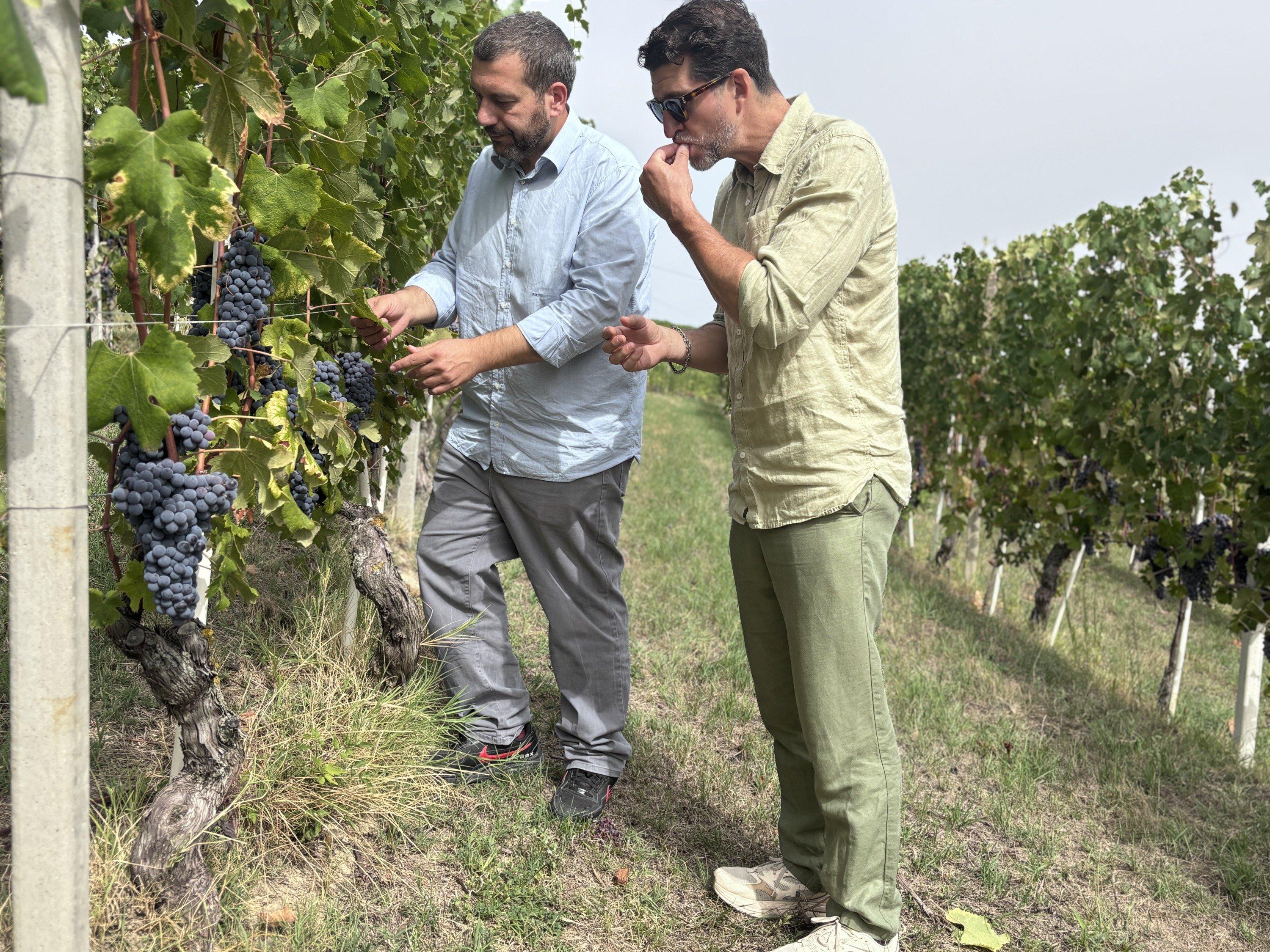
A priest who saves a village, founds the world’s best cooperative and puts Barbaresco on the wine map. 54 grower families, one grape, the same craft since 1958 – and nine world-class crus.
| Founded | 1958 |
|---|---|
| Appellations | Barbaresco DOCG, Barbaresco DOCG Riserva, Langhe Nebbiolo DOC |
| Vineyards | Asili, Montefico, Montestefano, Muncagota, Ovello, Pajè, Pora, Rabajà, Rio Sordo |
| Grapes | Nebbiolo |
| Terroir | Calcareous clay with veins of sand, 200–320 m |
| Area | 120 ha |
| Bottles per year | c. 650,000 |
| Number of wines | 11 |
| Farming | Lutte raisonnée |
The rules have stood since the start, when the village priest Don Fiorino Marengo laid down the framework. Nebbiolo only. Members sell all their grapes to the cooperative alone and are paid for quality, not quantity. In the cellar it’s “hands off”. The Barbaresco spends four weeks on its skins in stainless steel and then 20 months in large 50-hectolitre botti. The Riserva crus get 30 months. All nine are made in exactly the same way, so that only the site sets them apart. Super trad.
As early as 1894 Domizio Cavazza, head of the wine school in Alba, brought nine growers together in a cooperative. He was the first to put Barbaresco on a label. The cooperative was closed under Fascism. In 1958 the village priest Don Fiorino Marengo made a fresh start with nineteen growers. He managed to get everyone to work together and stick to a strict set of rules, under which the growers were persuaded to grow fewer grapes so as to be paid more for better quality. Utterly groundbreaking at the time. That the growers dared to cut away fruit to give the remaining grapes a better chance to ripen must have been down to the fear of God. The first vintage fermented in the courtyard of the presbytery, and in 1960 the cellar was finished at the foot of the village tower. Since 1967 the crus have been bottled separately in good years. The rest is history, as they say. Today Produttori del Barbaresco is regarded as the benchmark for quality in Barbaresco and is probably the most highly respected wine cooperative in the world. They are profitable too, and the queue to become a member is long. The queue for an allocation of the Riservas is several generations long.
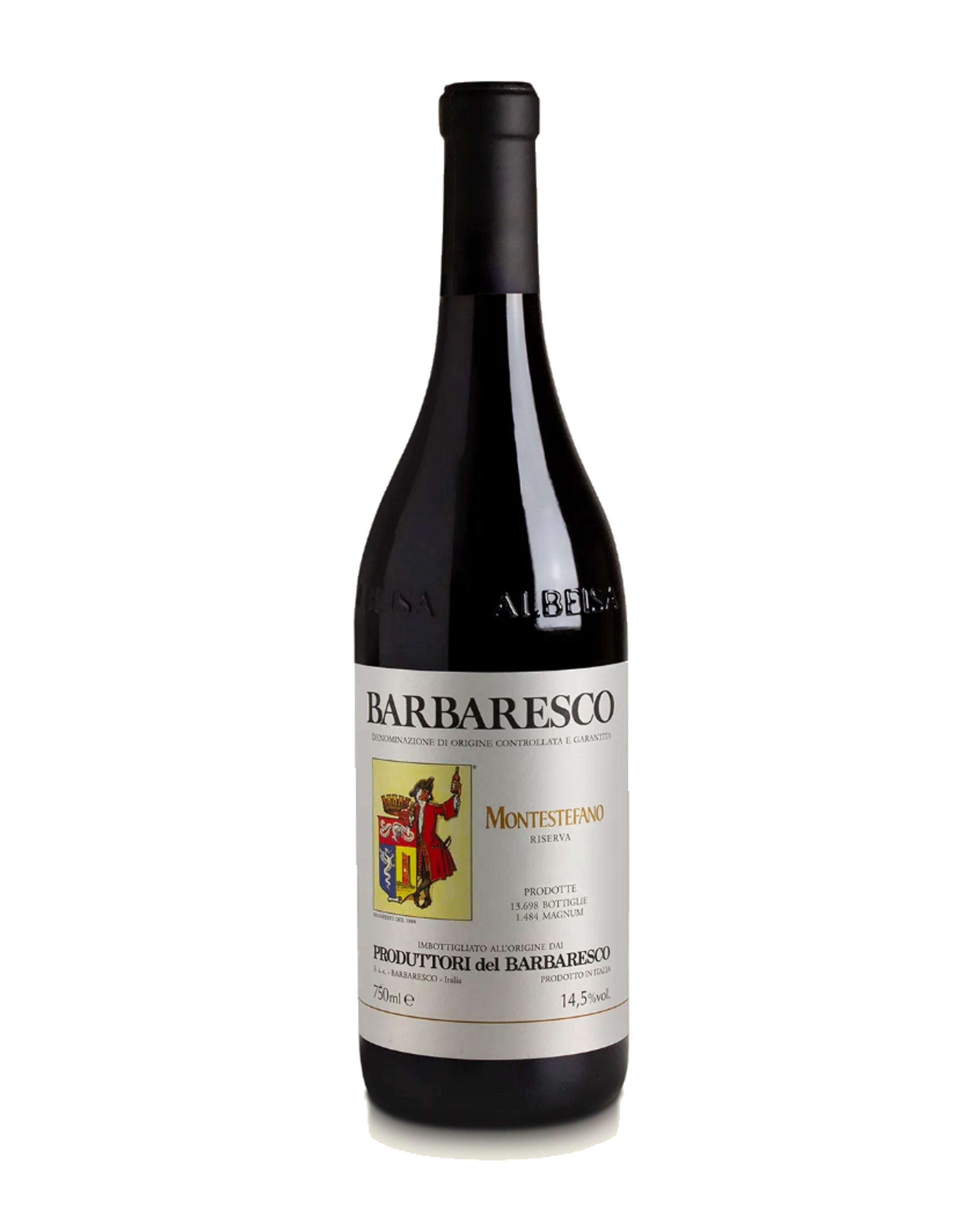
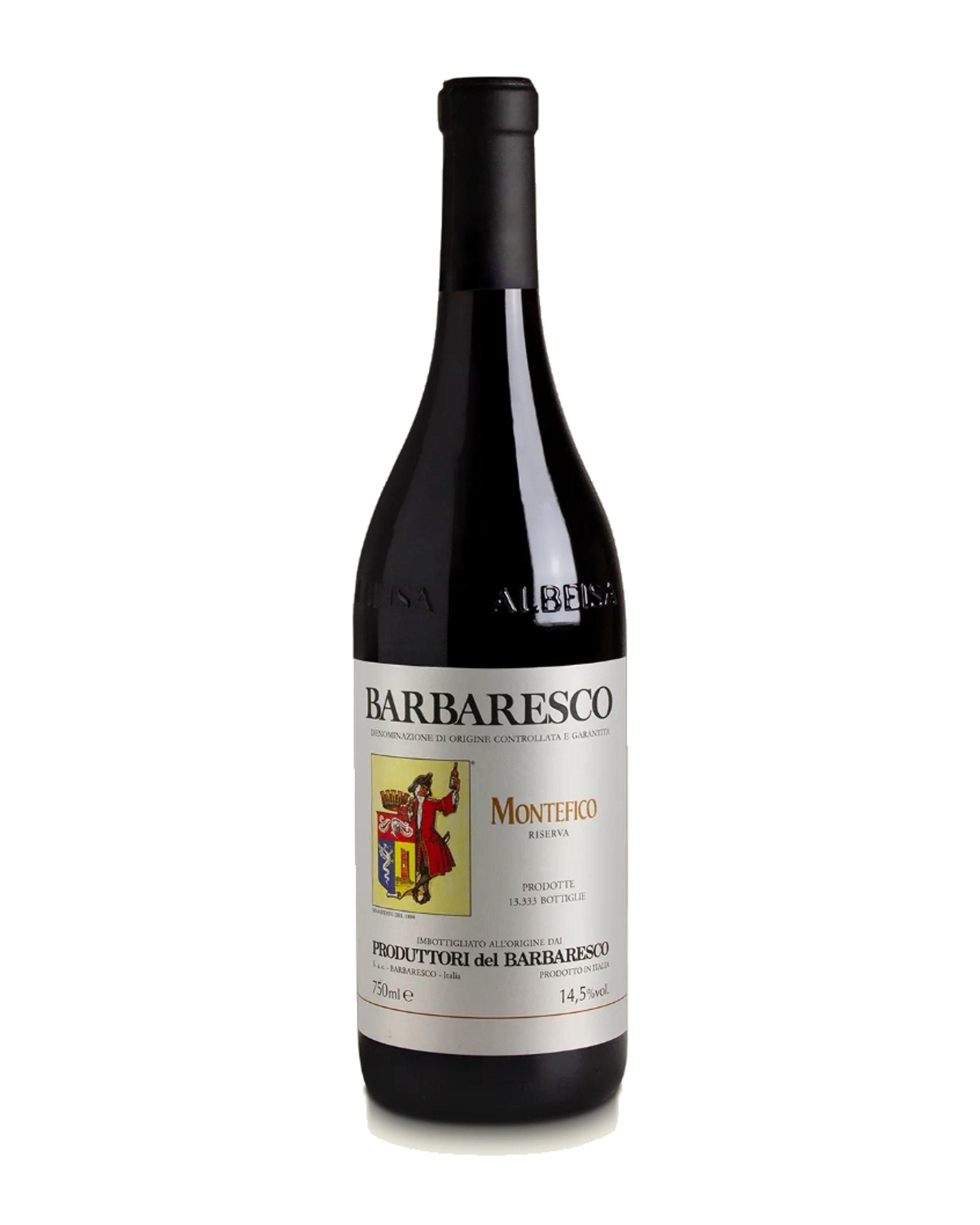
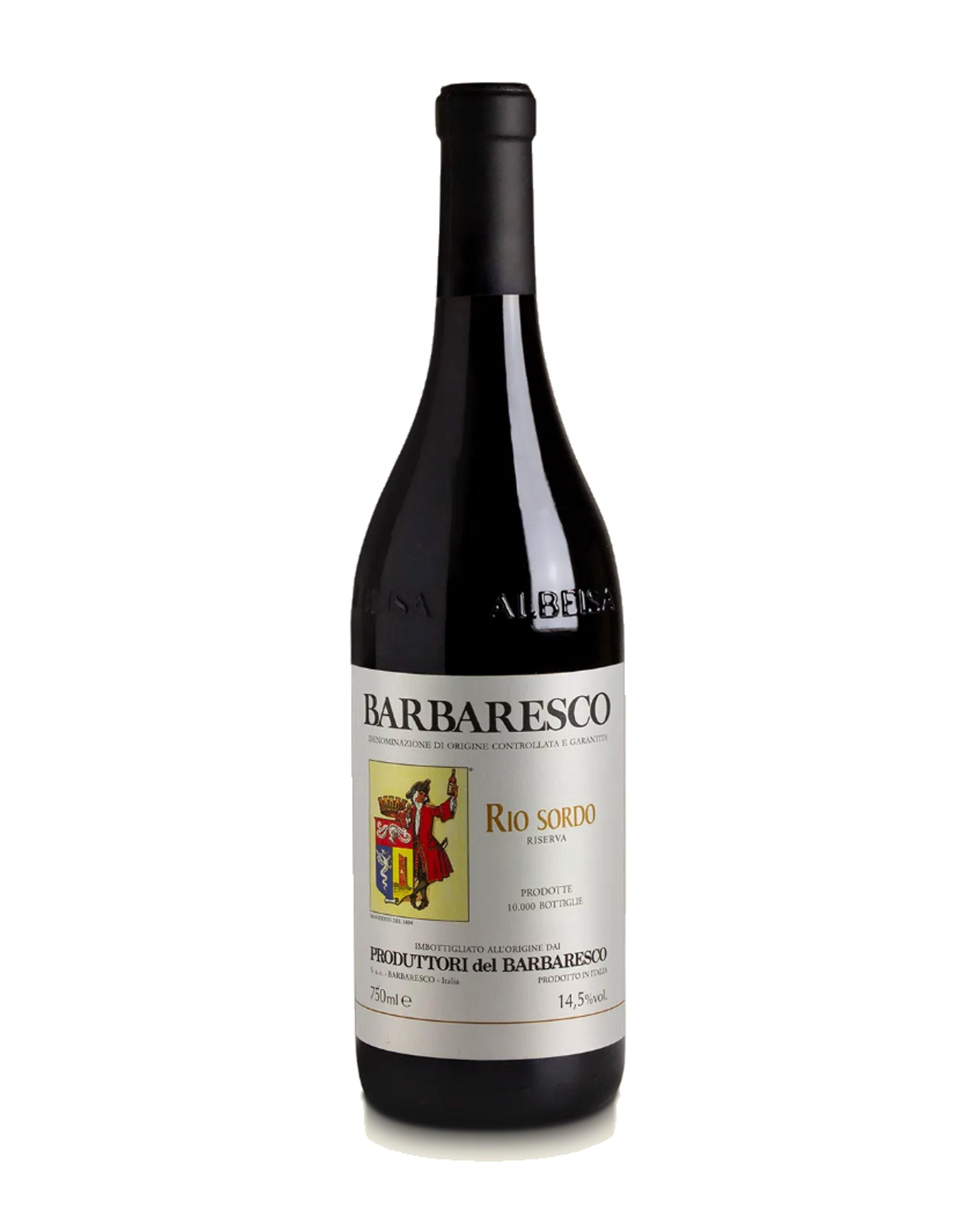
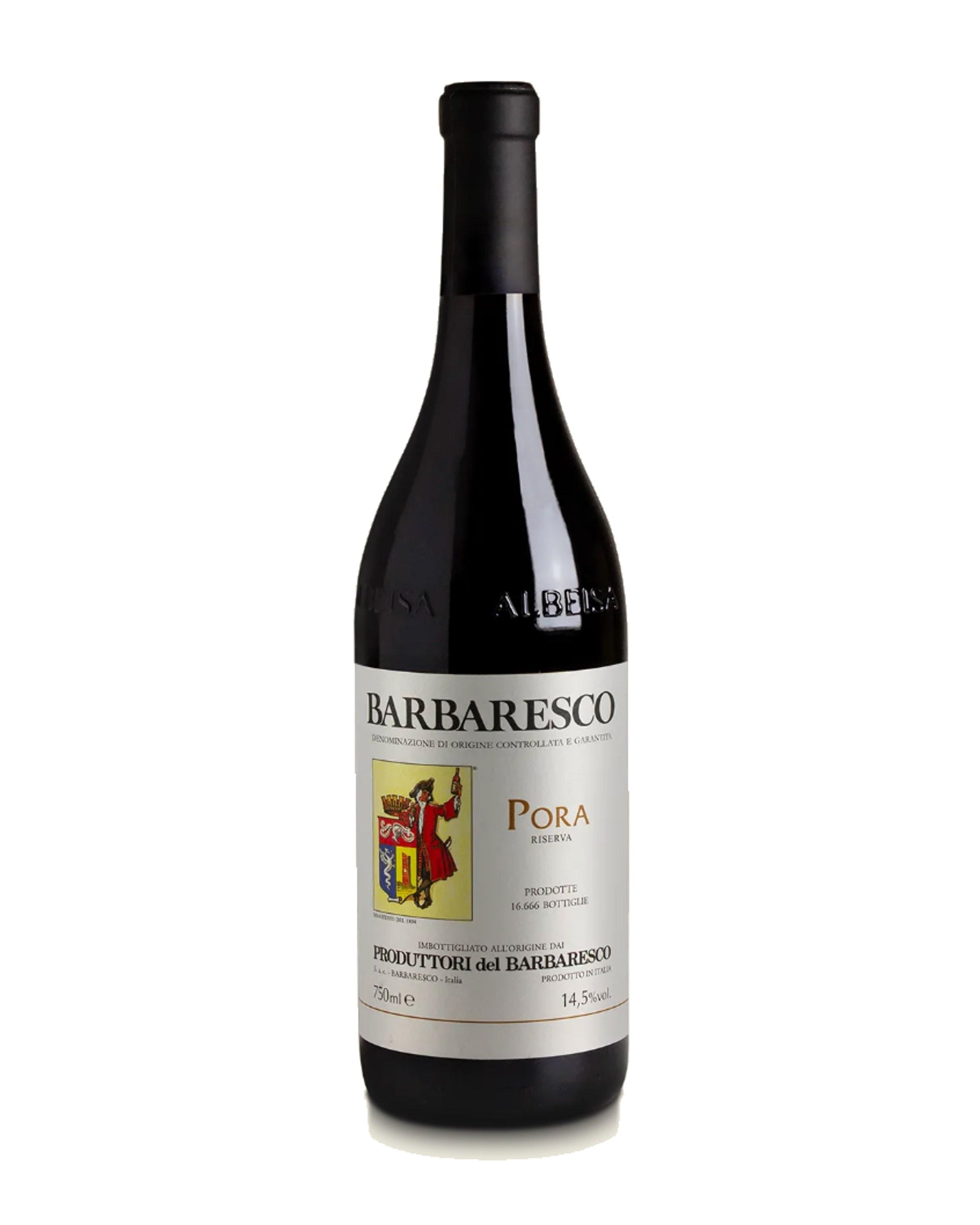
Around 120 hectares of Nebbiolo around the village of Barbaresco, on calcareous clay with veins of sand, between 200 and 320 metres. Montefico and Montestefano face south and combine power and elegance – Montefico more coolly austere, Montestefano a little broader-shouldered. Ovello in the north is cooler and darker, just like Pajè and Muncagota, which are also dark and more powerful. Asili lies in a sheltered bowl facing south-west and gives wine that is closed when young but becomes incredibly refined with a little time in the cellar. Rabajà, where two ridges meet, is one of the village’s benchmarks and at its best in classic, slightly cooler years. Pora lies near the river Tanaro and, together with its neighbour Rio Sordo, gives more approachable and slightly opulent expressions.
Today the cooperative is 54 grower families, each tending its own parcels. For three decades Aldo Vacca, “il segretario”, held fast to the founding rules and ran the cooperative as managing director, and he gave it the worldwide reputation it enjoys today. Since 2025 Luca Cravanzola has been at the helm; his family has one of the oldest and best parts of Ovello and has been involved since the start. Every year there is a Barbaresco and a Langhe Nebbiolo from the younger vines – a charming, cheeky wine to drink while you wait for its big siblings to be ready – and in the best years nine cru Riservas. Classic with a capital C: true to its place, stylish and made to age.
Produttori del Barbaresco
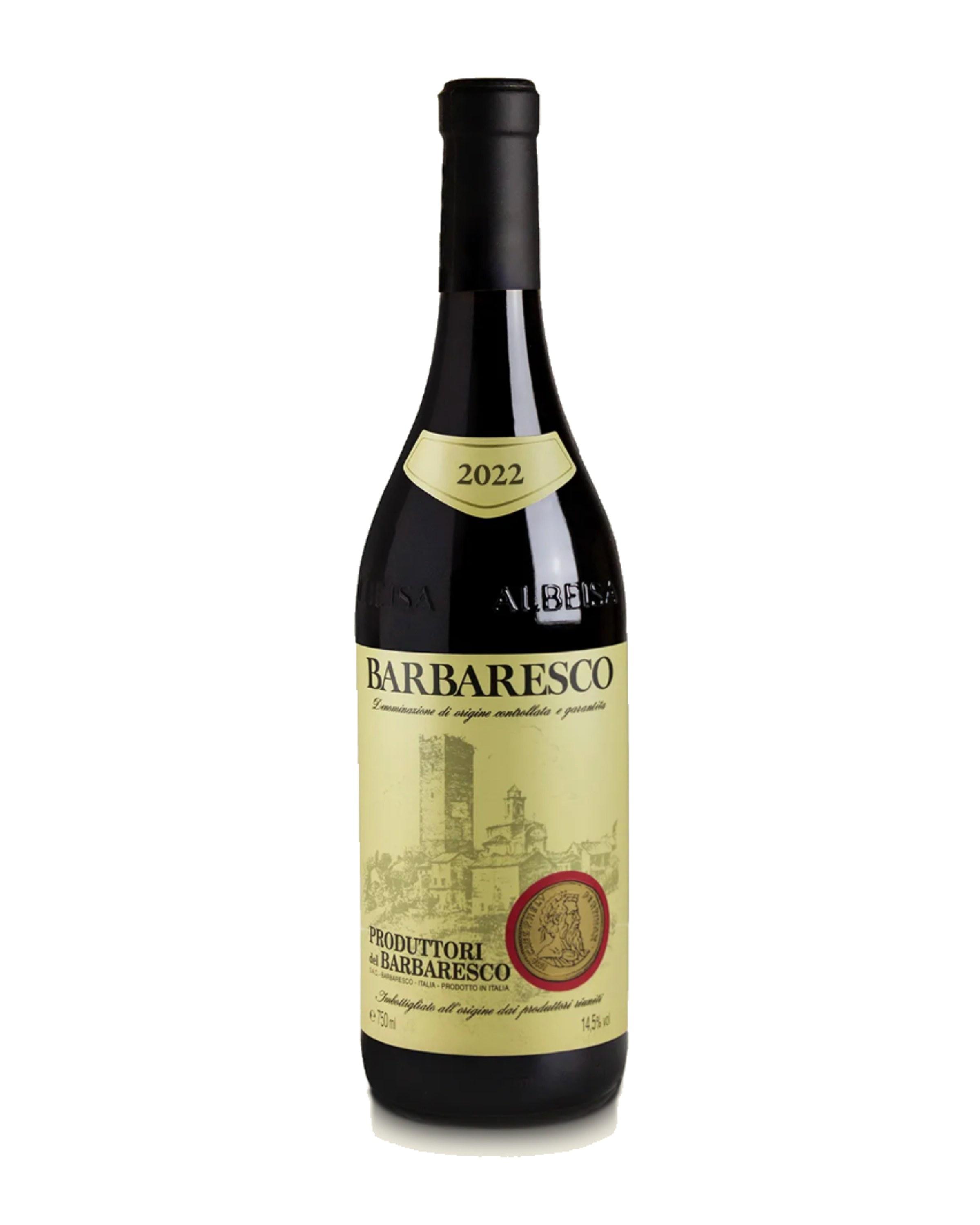
Produttori del Barbaresco
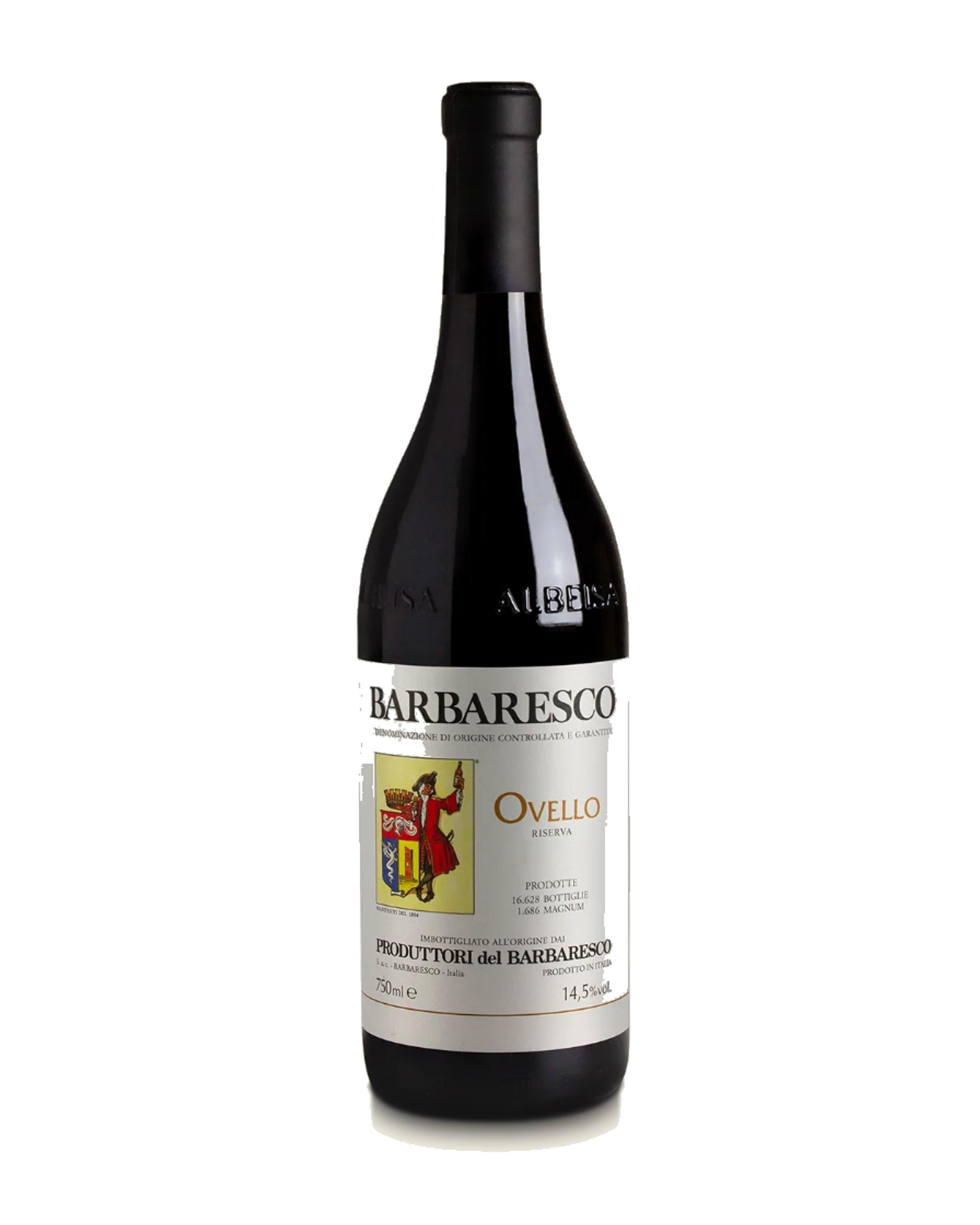
Produttori del Barbaresco
Produttori del Barbaresco
Produttori del Barbaresco
Produttori del Barbaresco
Produttori del Barbaresco
Produttori del Barbaresco
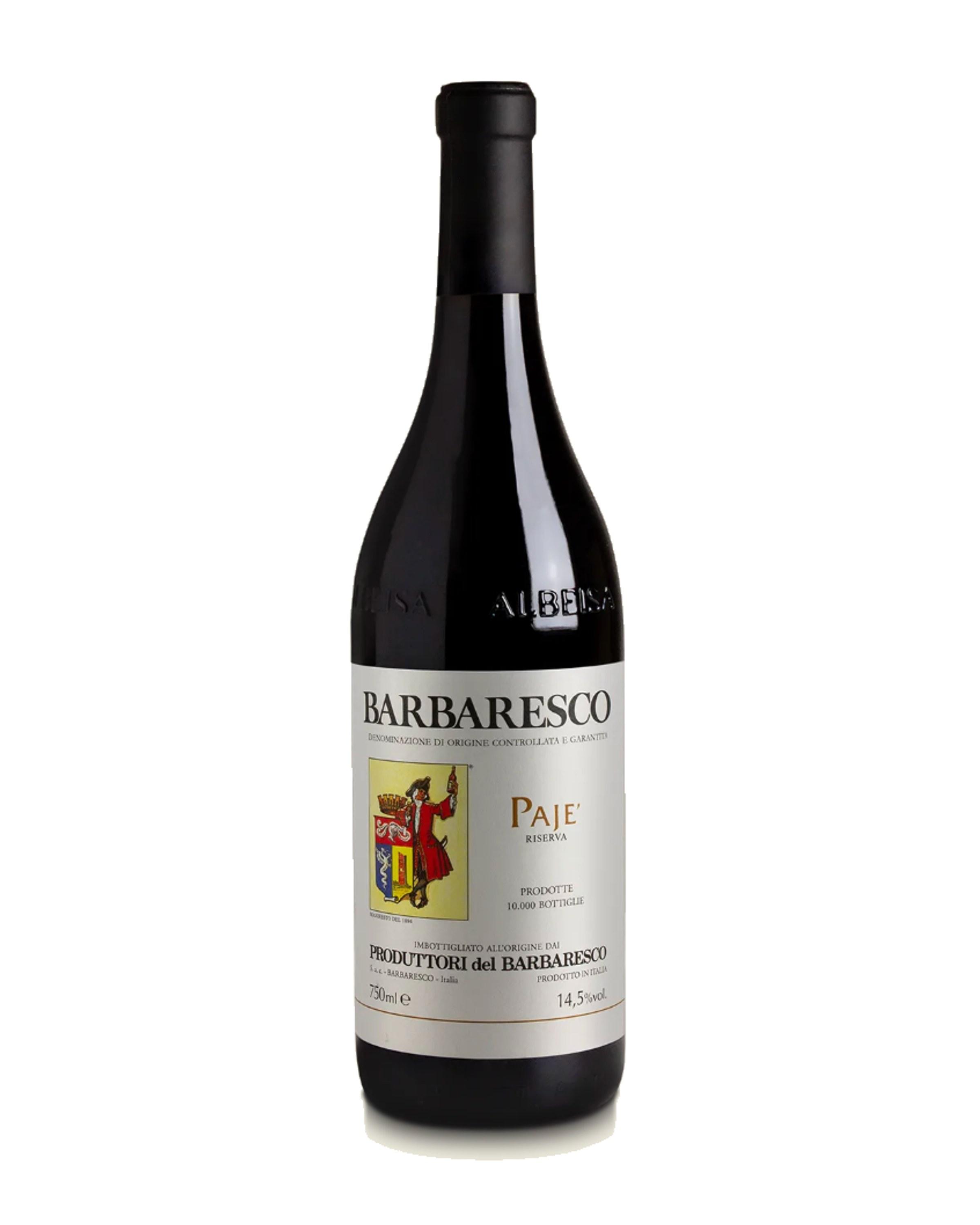
Produttori del Barbaresco
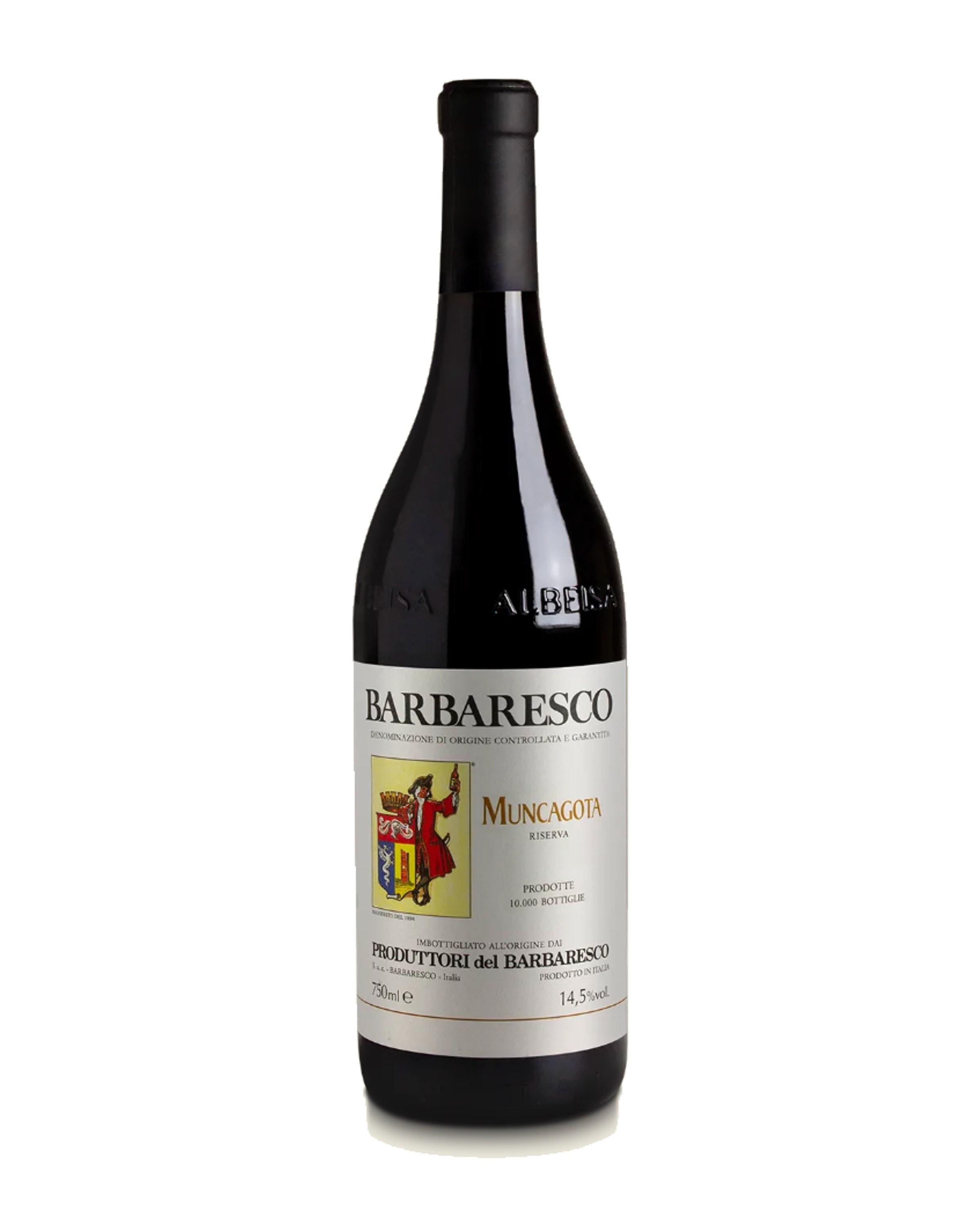
Produttori del Barbaresco
Produttori del Barbaresco