
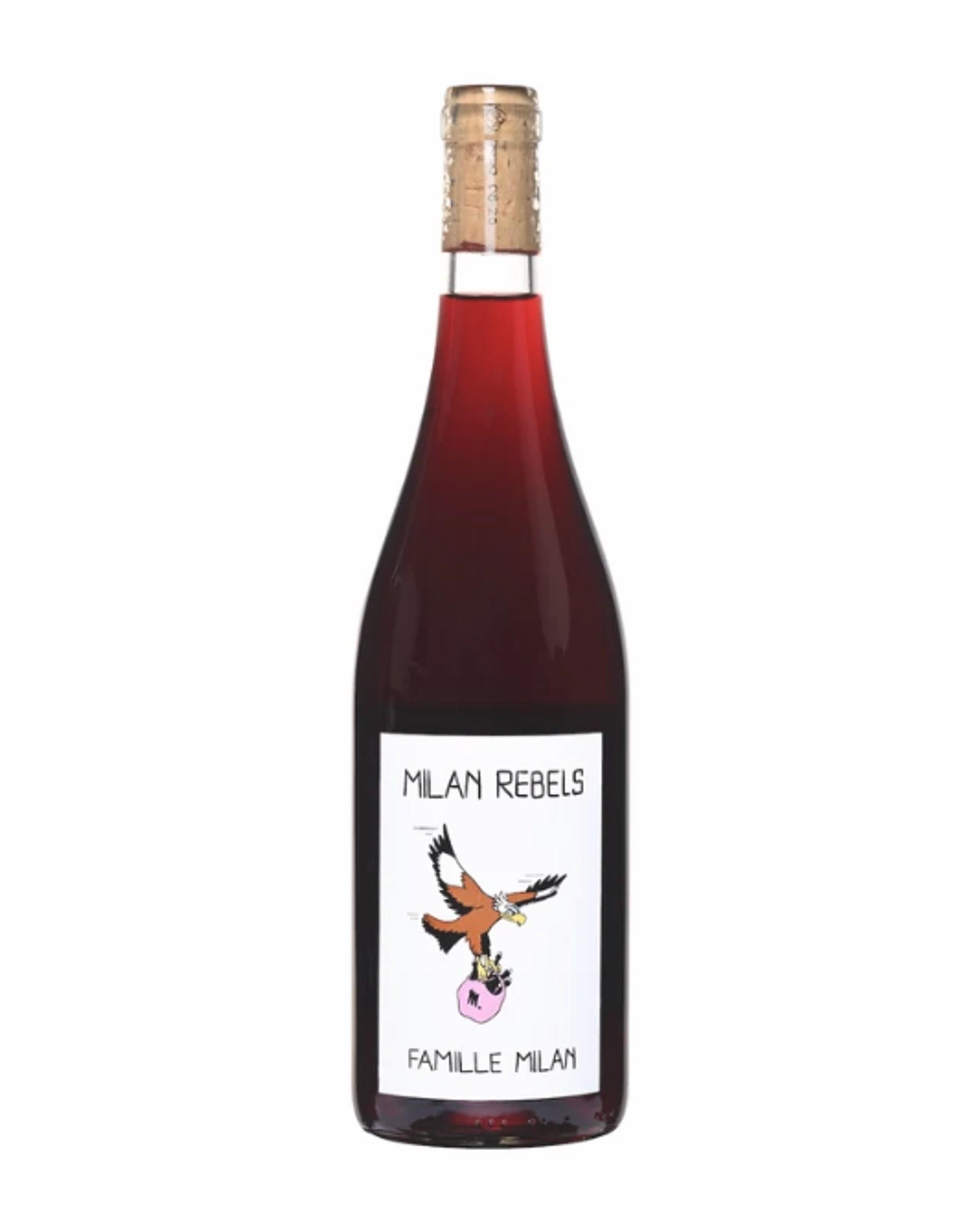
Domaine Milan
At the foot of Les Alpilles, where the Provençal sun meets the mistral, the Milan family make free, living wines outside the appellation rules. Punk attitude hand in hand with grands vins – under the Vin de France label.
| Founded | 1956 |
|---|---|
| Appellations | Vin de France (left AOC Les Baux-de-Provence in 2007); IGP Alpilles |
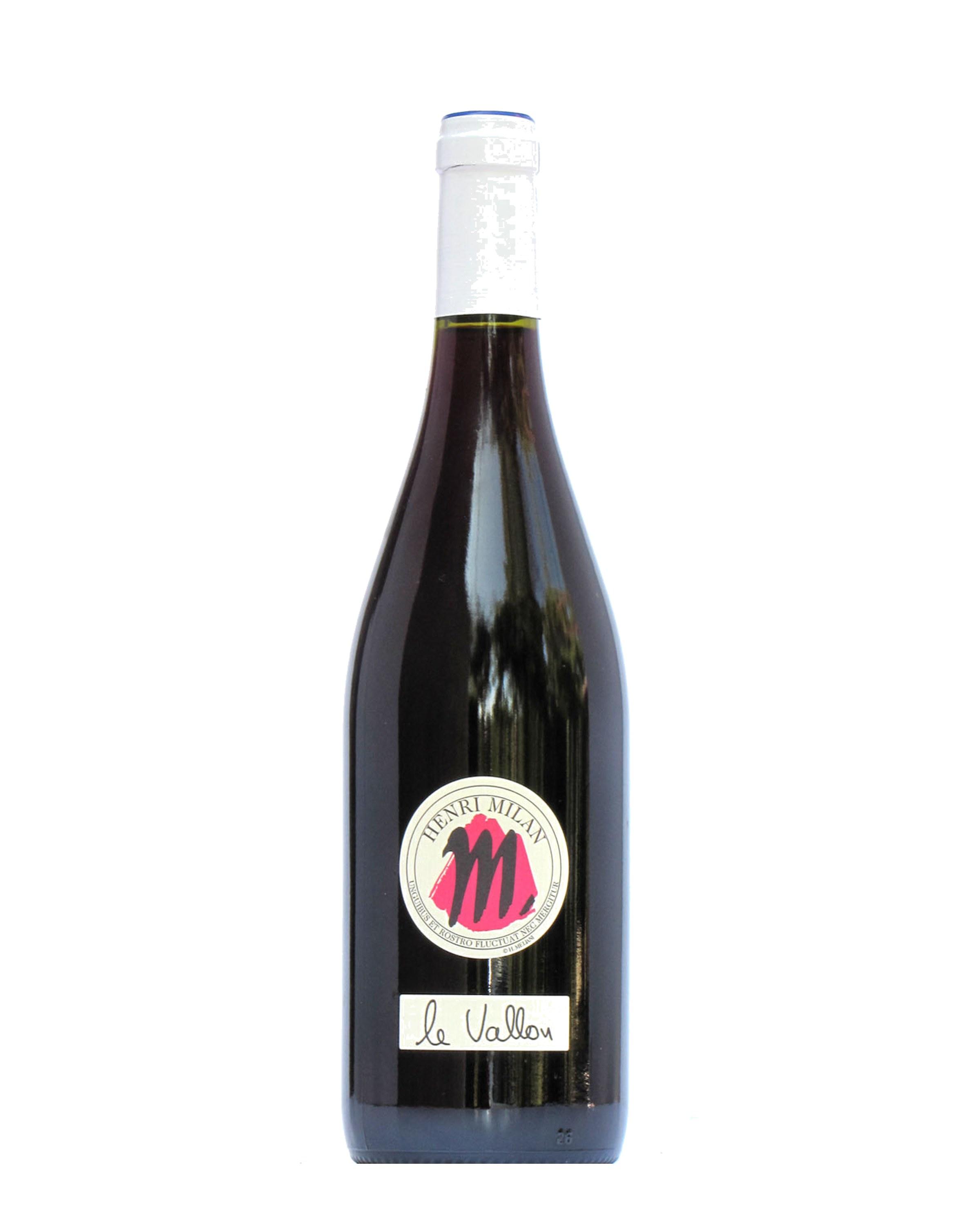
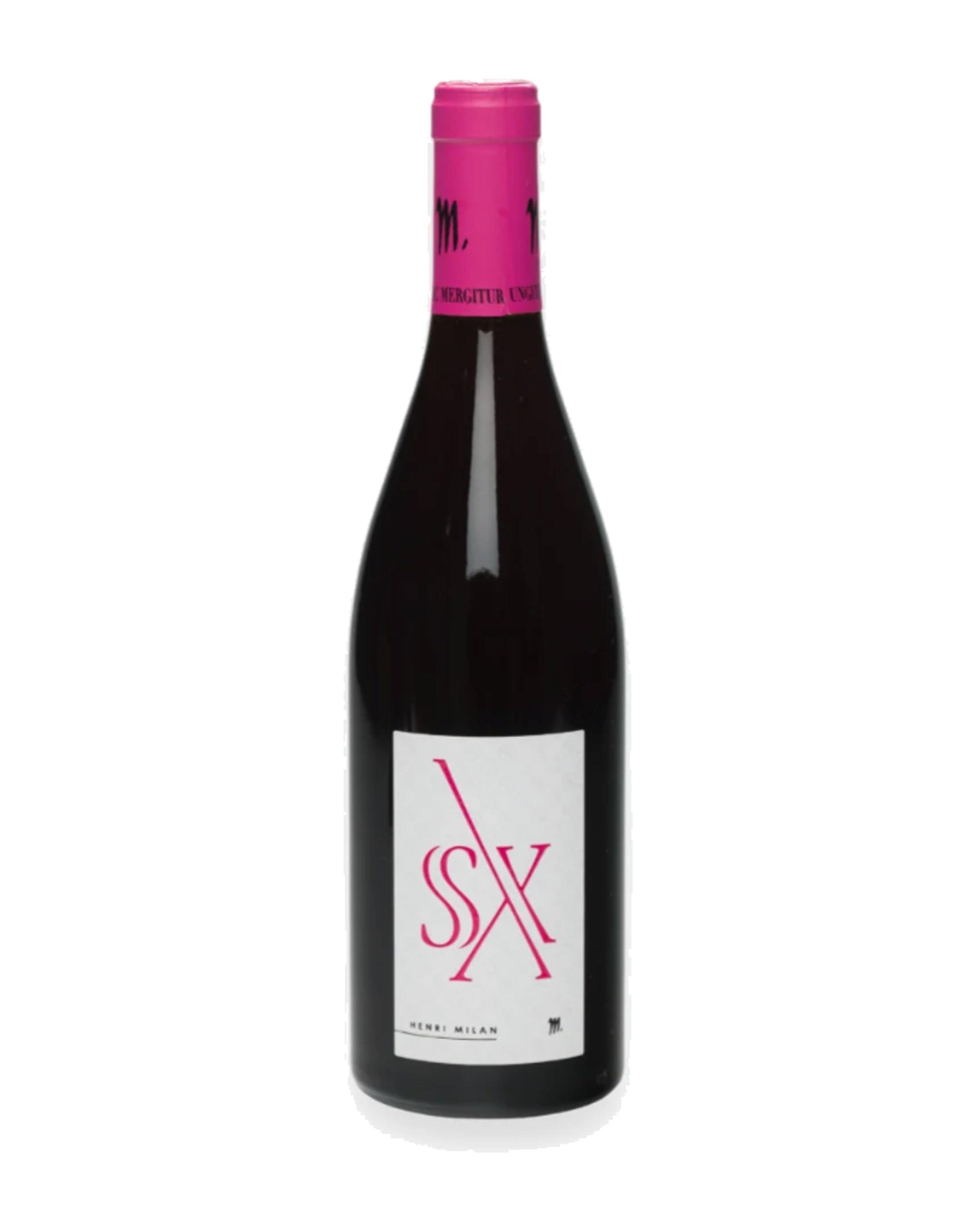
| Vineyards | Le Clos Milan (limestone and sand), Le Jardin (0.5 ha Merlot), La Carrée (0.4 ha Roussanne, 1991), Le Vallon (3 ha, since 1997), S&X (1.2 ha Grenache, since 1992); full list not available |
| Grapes | Red: Grenache noir, Syrah, Mourvèdre, Carignan, Nielluccio, Cinsault, Alicante, Merlot, Pinot Noir. White: Grenache blanc, Rolle (Vermentino), Roussanne, Chardonnay, Muscat à petits grains, Chenin, Savagnin, Grenache gris, Macabeu |
| Terroir | Blue marl, limestone gravel, clay and sand |
| Area | 15 ha |
| Bottles per year | c. 60,000–70,000 |
| Number of wines | 18 |
| Farming | Biodynamic |
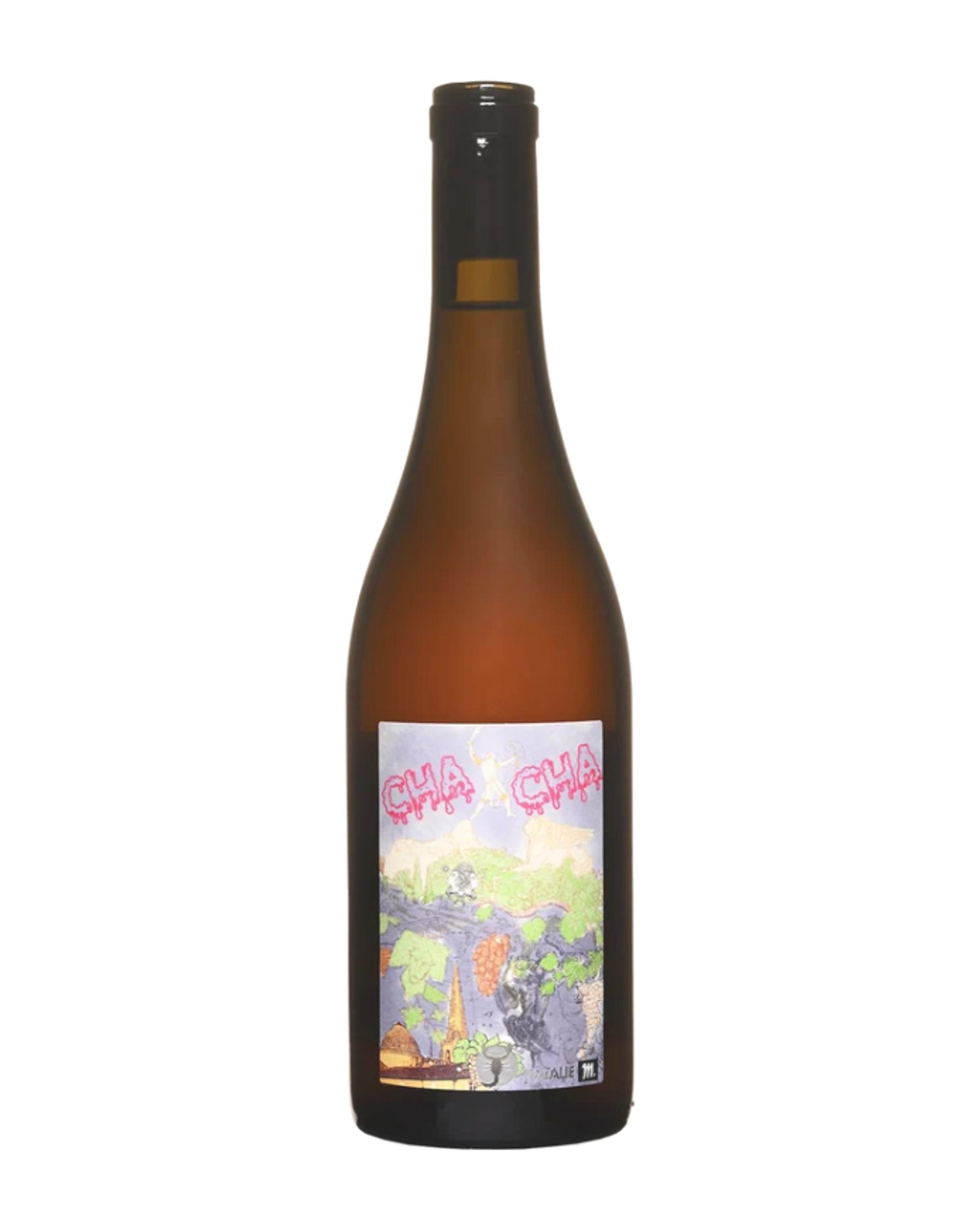
For many years Domaine Milan has been at the forefront of biodynamic and exploratory winemaking, and Théophile and Natalie are definitely taking it further. Certified organic since 2002, with biodynamic methods since the late 1990s. Horses plough parts of the vineyards. The grapes are picked by hand and fermented with native yeast only. Some whites get skin contact, in concrete or in amphorae buried in the ground. Little or no sulphur is added. Funky, alive and made with joy, but also with precision and a sure hand.
Robert Milan bought unplanted land at the foot of the Alpilles in 1956. His son Henri took over in 1986, built the cellar and stopped using chemicals. After meeting the renowned Claude Bourguignon in 1996, he took the step towards biodynamics. The first sulphur-free cuvée came in 2000. In 2007 the estate left the Les Baux-de-Provence appellation – the rules were too restrictive, Henri felt – and since then most labels have said Vin de France. That way you can do what you believe is best, with the grapes you have chosen, on the terroir you are privileged to farm.
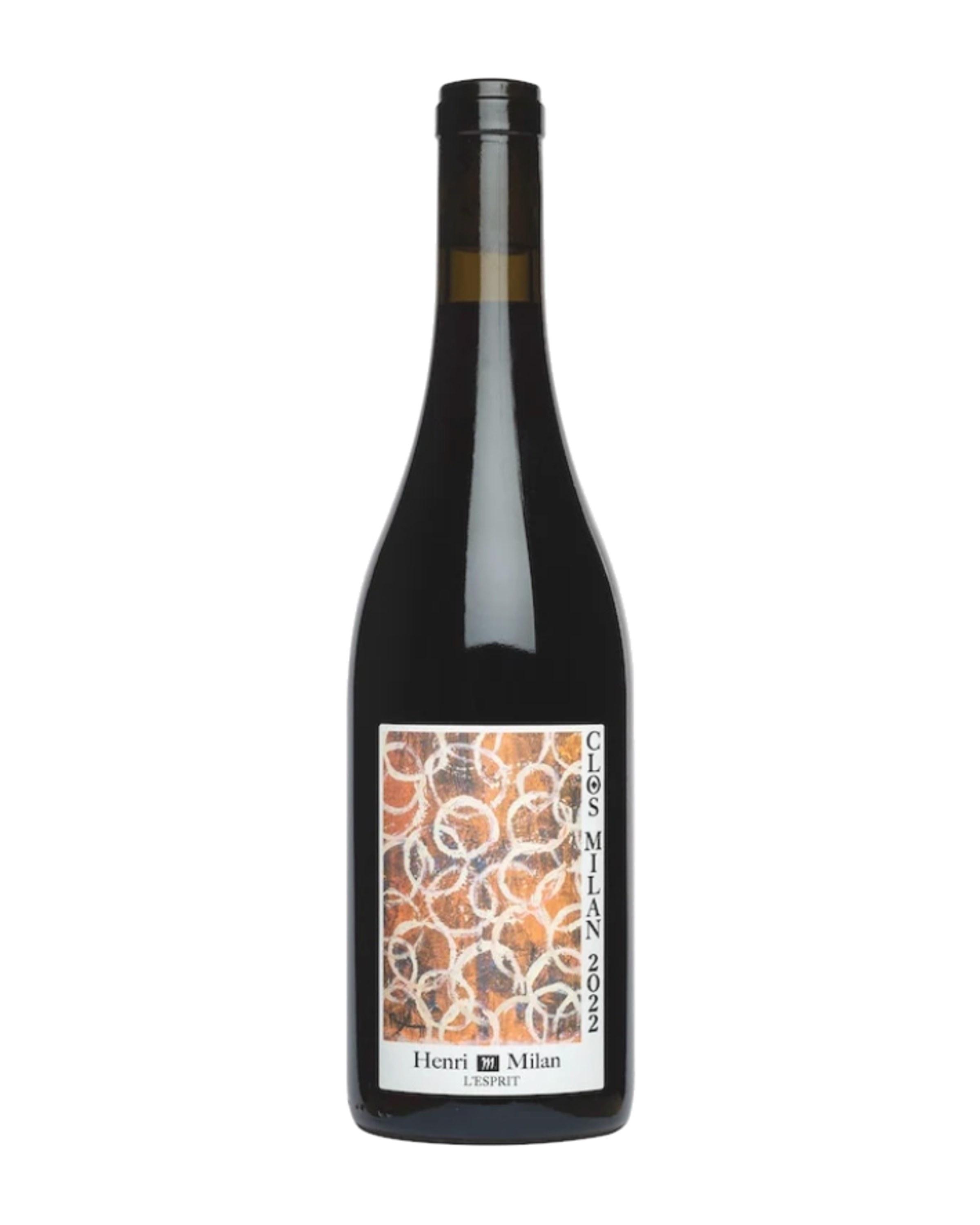
The estate lies a couple of kilometres from Saint-Rémy-de-Provence, on the northern side of the Alpilles, surrounded by garrigue. The mistral keeps the grapes healthy. Blue marl lies beneath most of it. The Roussanne for La Carrée has grown in silty clay since 1991 and gives one of the great white wines of the south. The Merlot for Le Jardin grows in clay and limestone. Le Vallon comes from limestone gravel and red clay, Clos Milan from limestone and sand. Around fifteen hectares are farmed here in total. The vines share space with peas and lettuce, horses plough the soil and everything is done by hand.
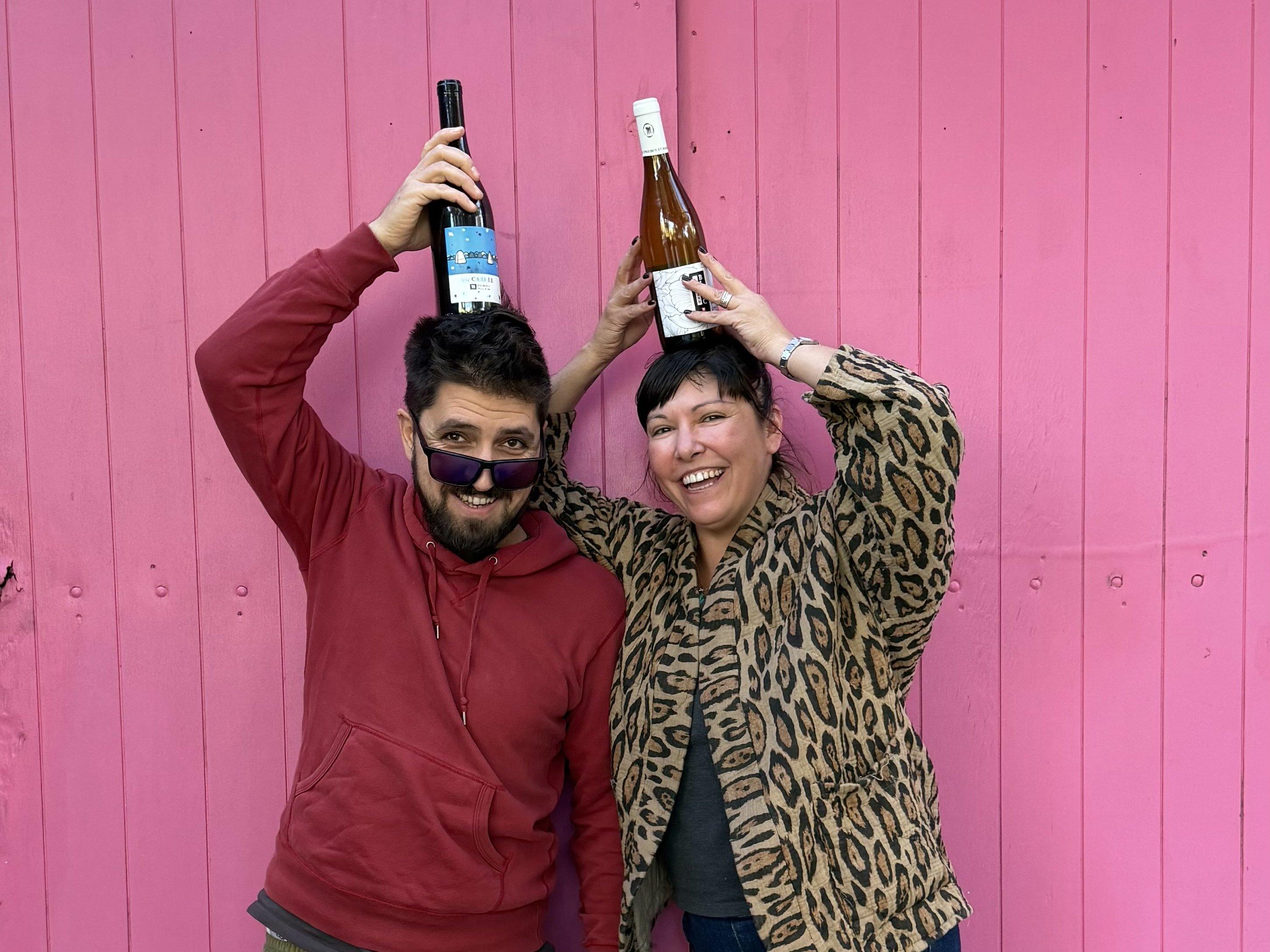
Today it is Théophile Milan and his wife Natalie who are taking the estate forward. Before they met, Natalie was head sommelier at The Modern in New York. Théophile and Natalie have bubbly, vibrant personalities, and you can feel it in their wines: vibrant, alive, punky and wonderfully creative. With a raw, living energy in every bottle.
Domaine Milan
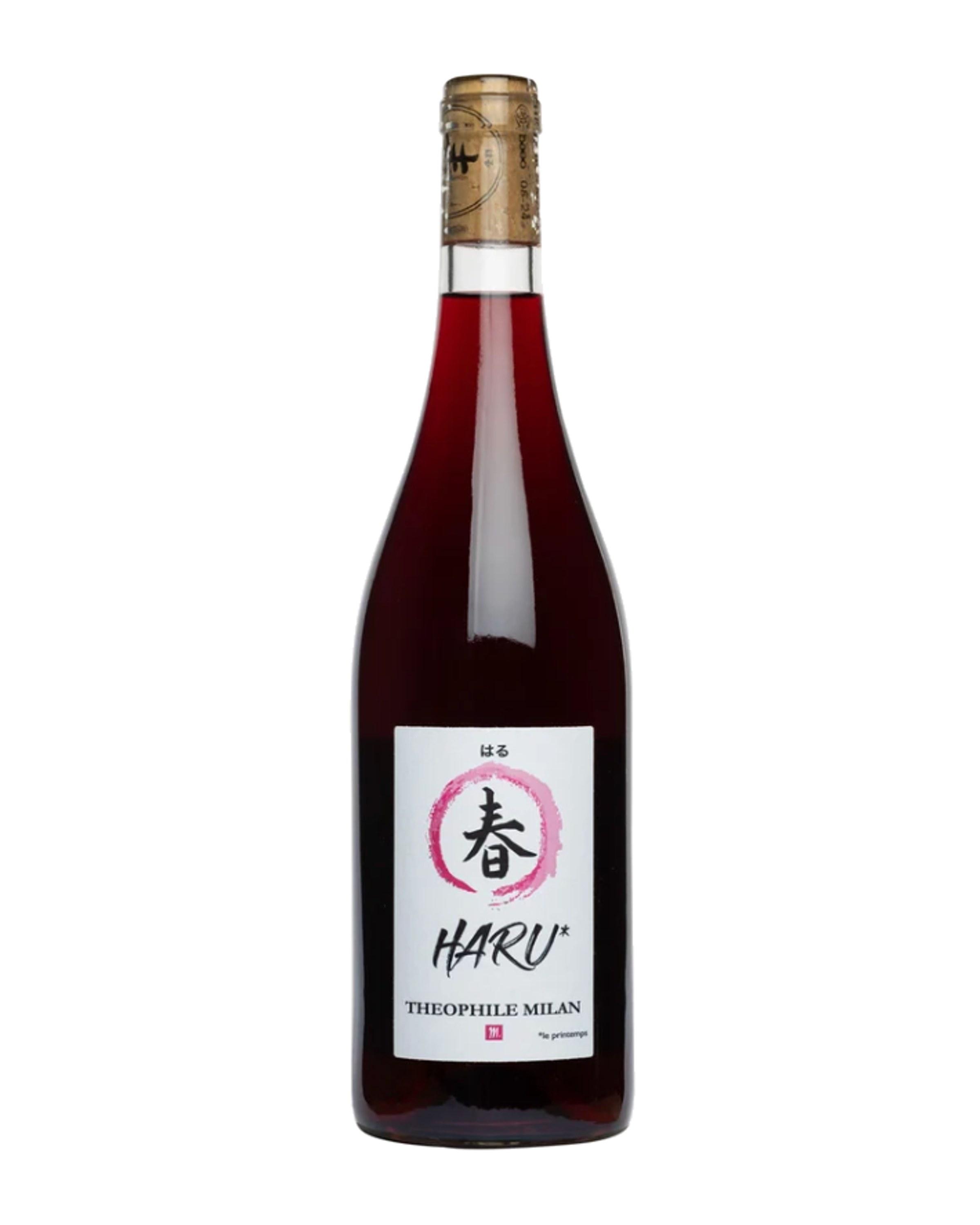
Domaine Milan
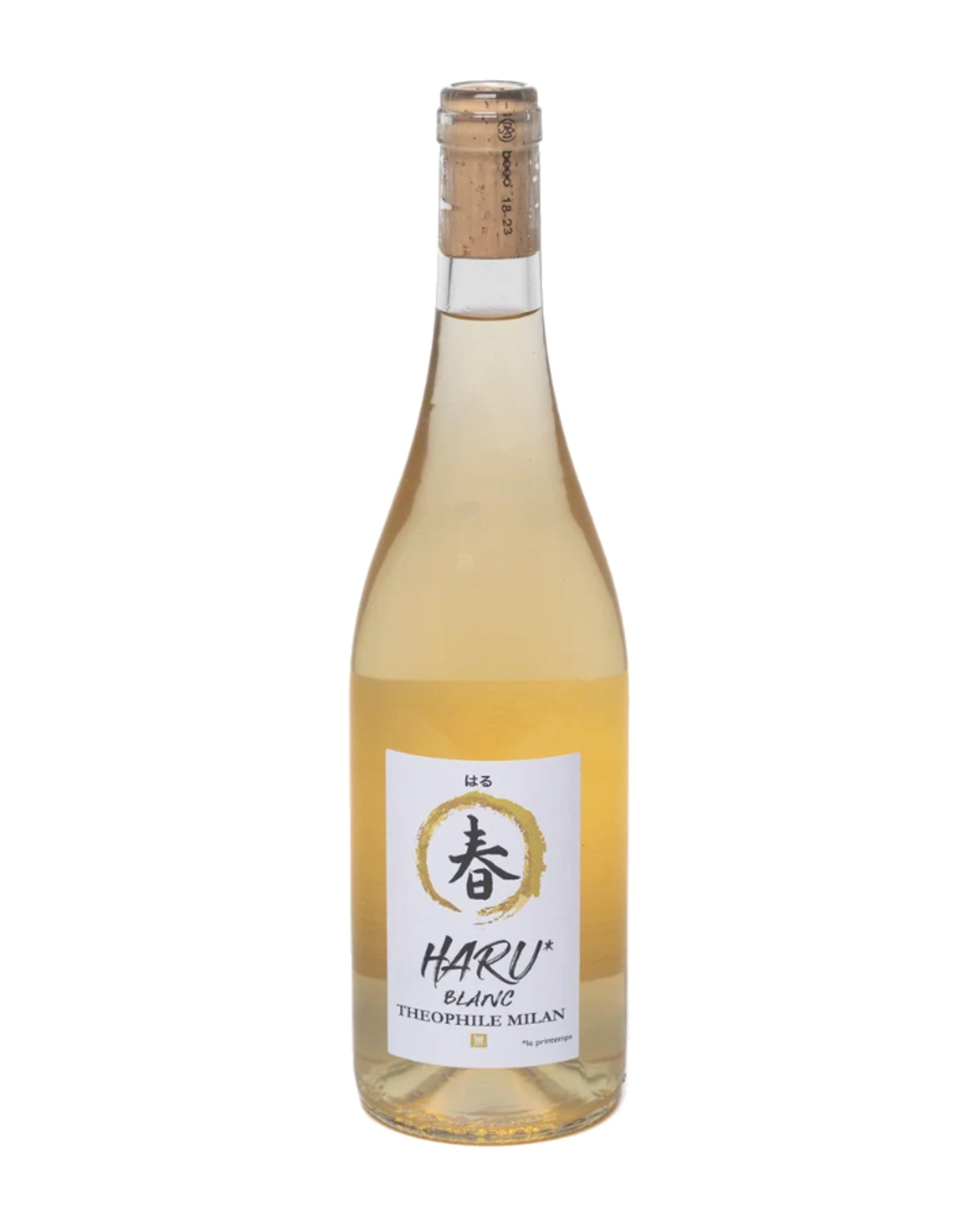
Domaine Milan
Domaine Milan
Domaine Milan
Domaine Milan
Domaine Milan
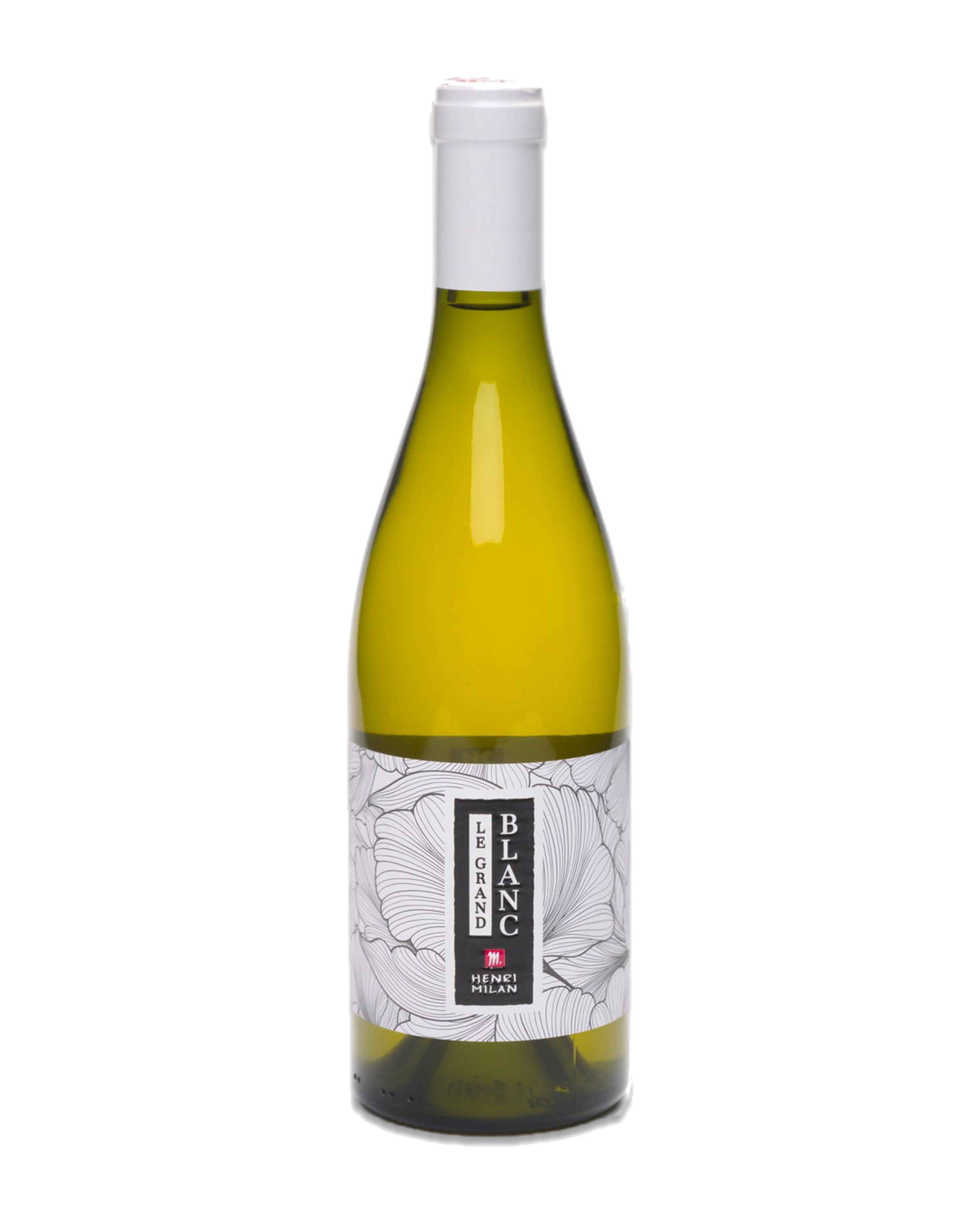
Domaine Milan
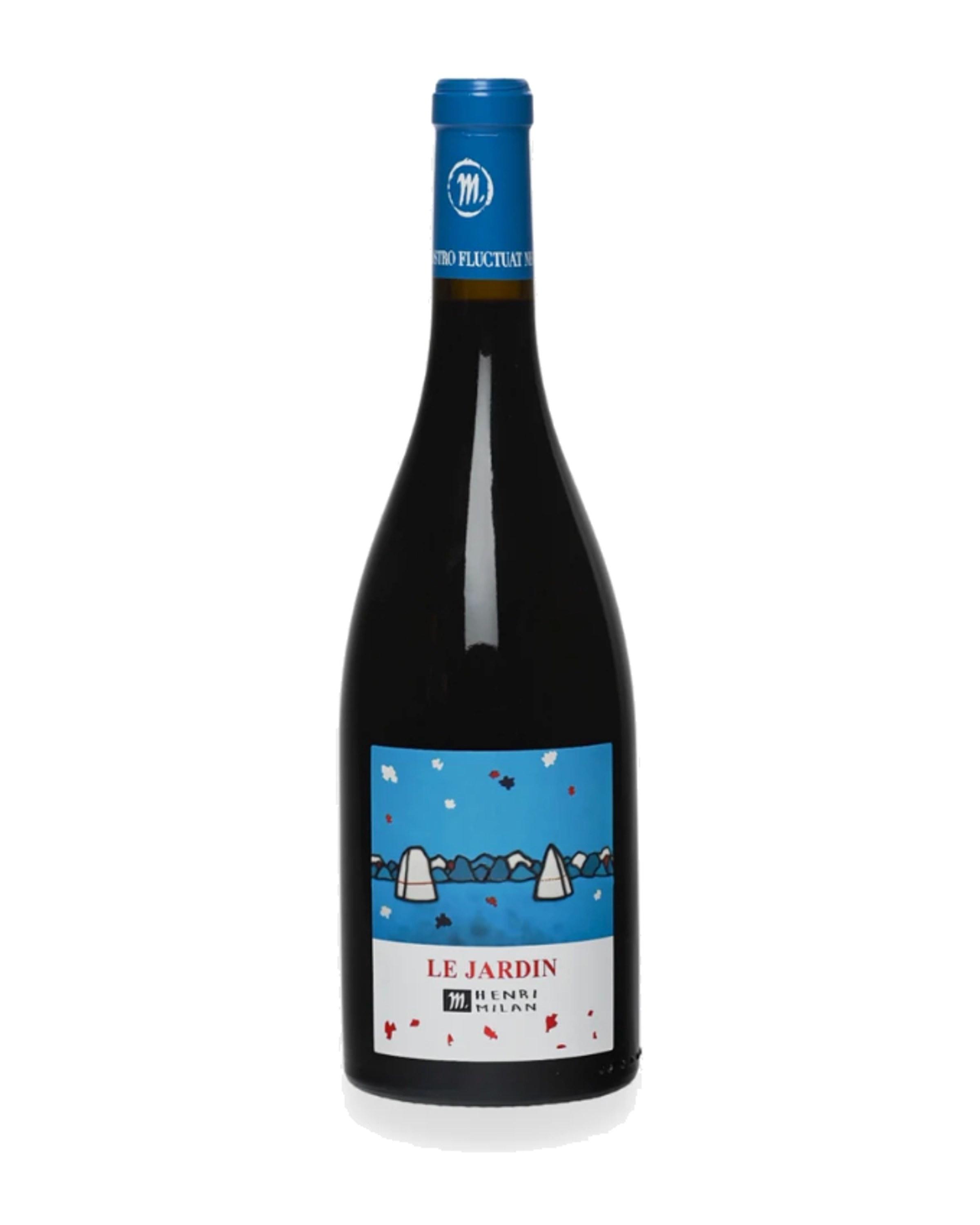
Domaine Milan
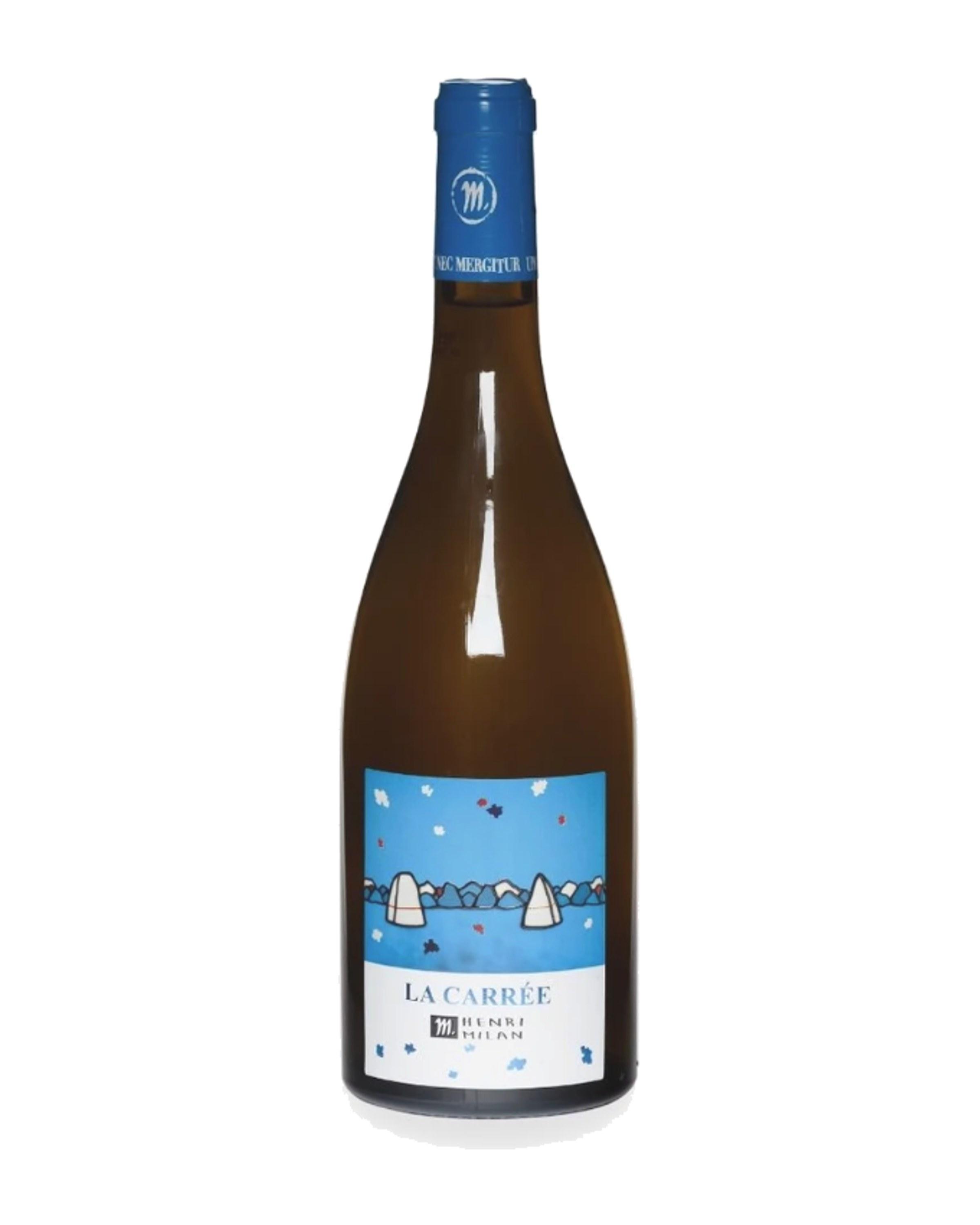
Domaine Milan