
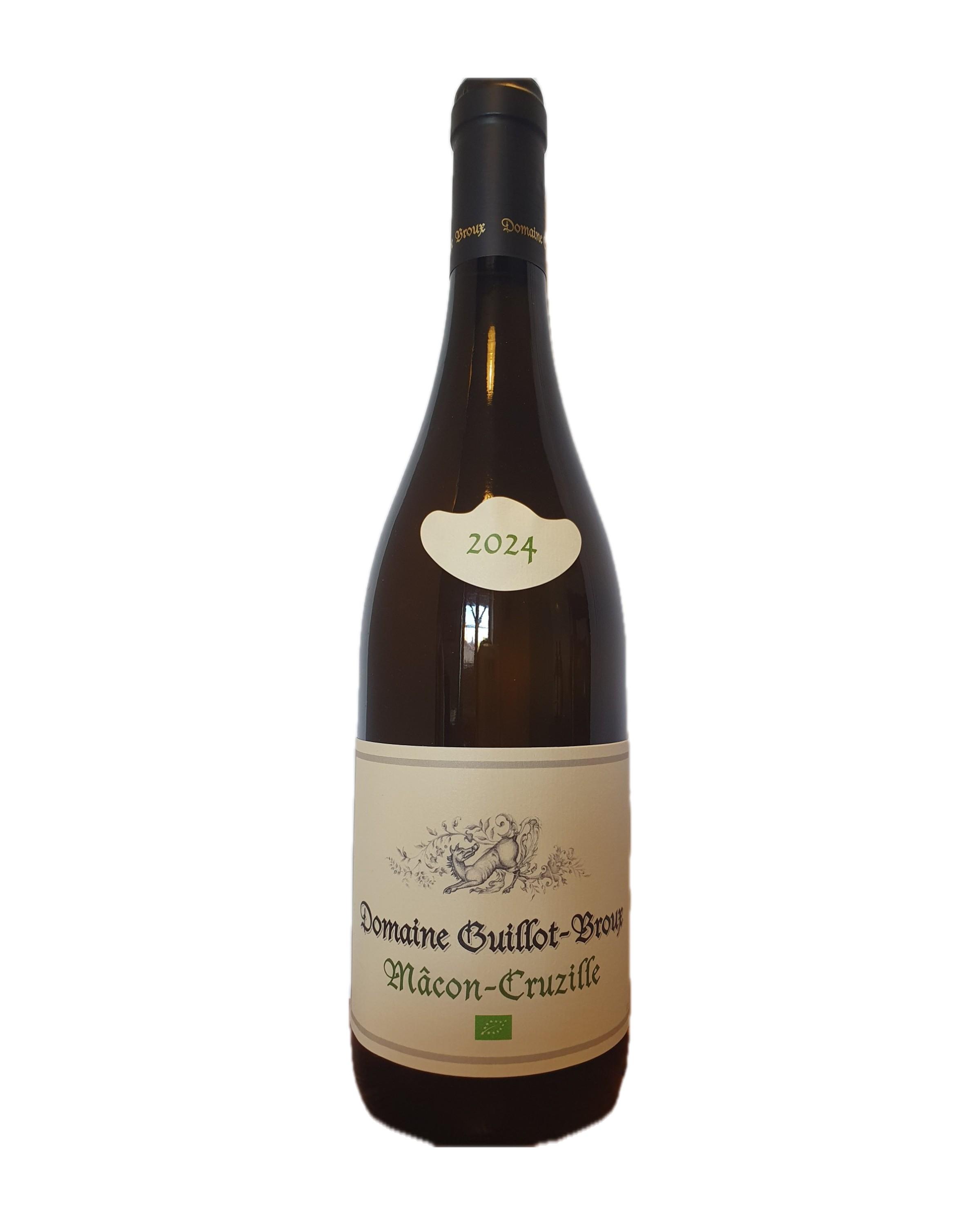
Domaine Guillot-Broux
In 1954 grandfather Pierre Guillot started one of Burgundy’s very first organic vineyards. Today Emmanuel Guillot-Broux makes the wines in Cruzille – with a sure palate after many years as a sommelier in Michelin-starred London restaurants.
| Founded | 1954; the domaine 1978 |
|---|---|
| Appellations | Mâcon-Cruzille, Mâcon-Chardonnay, Bourgogne (+ négoce: Maison Guillot-Broux) |
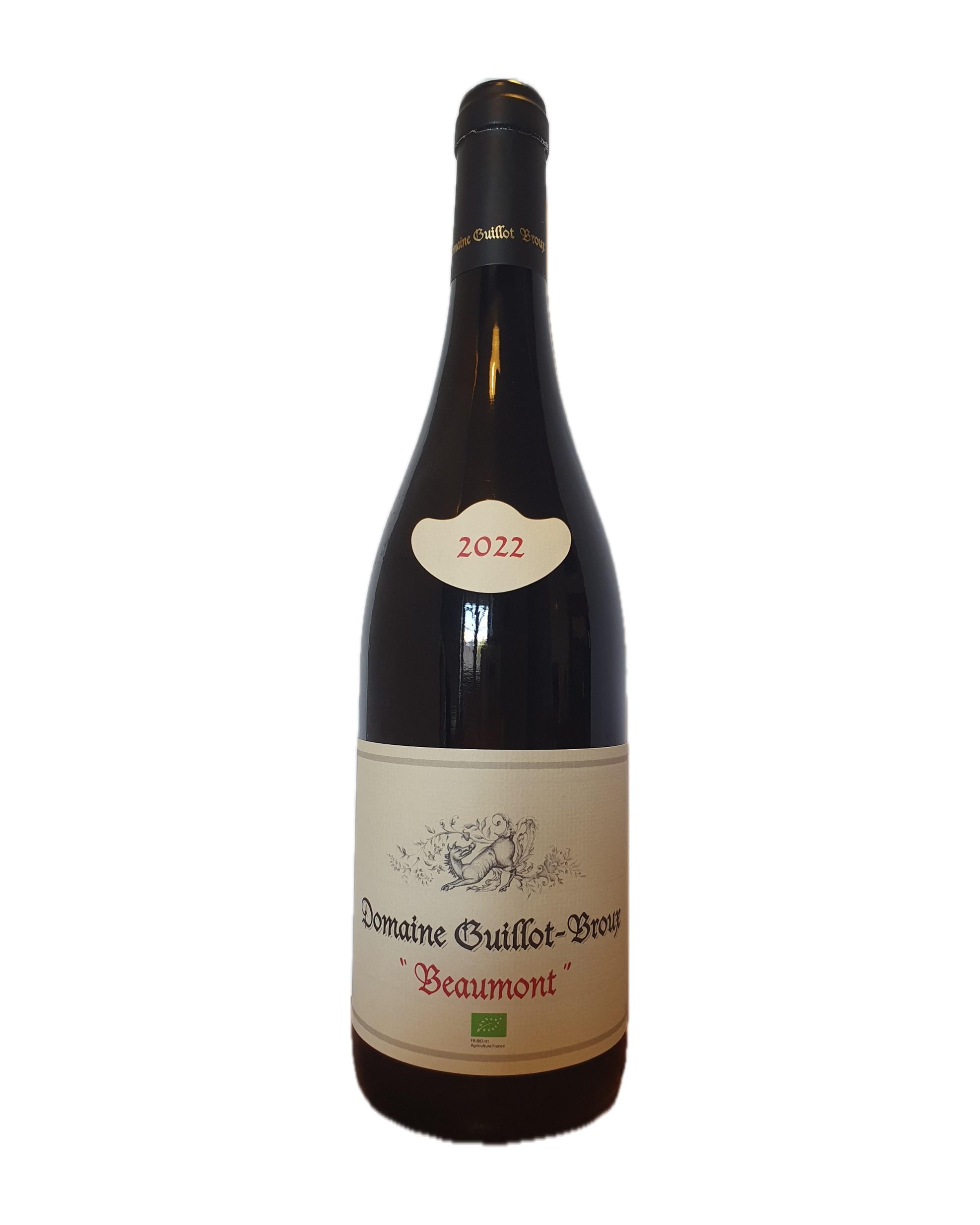
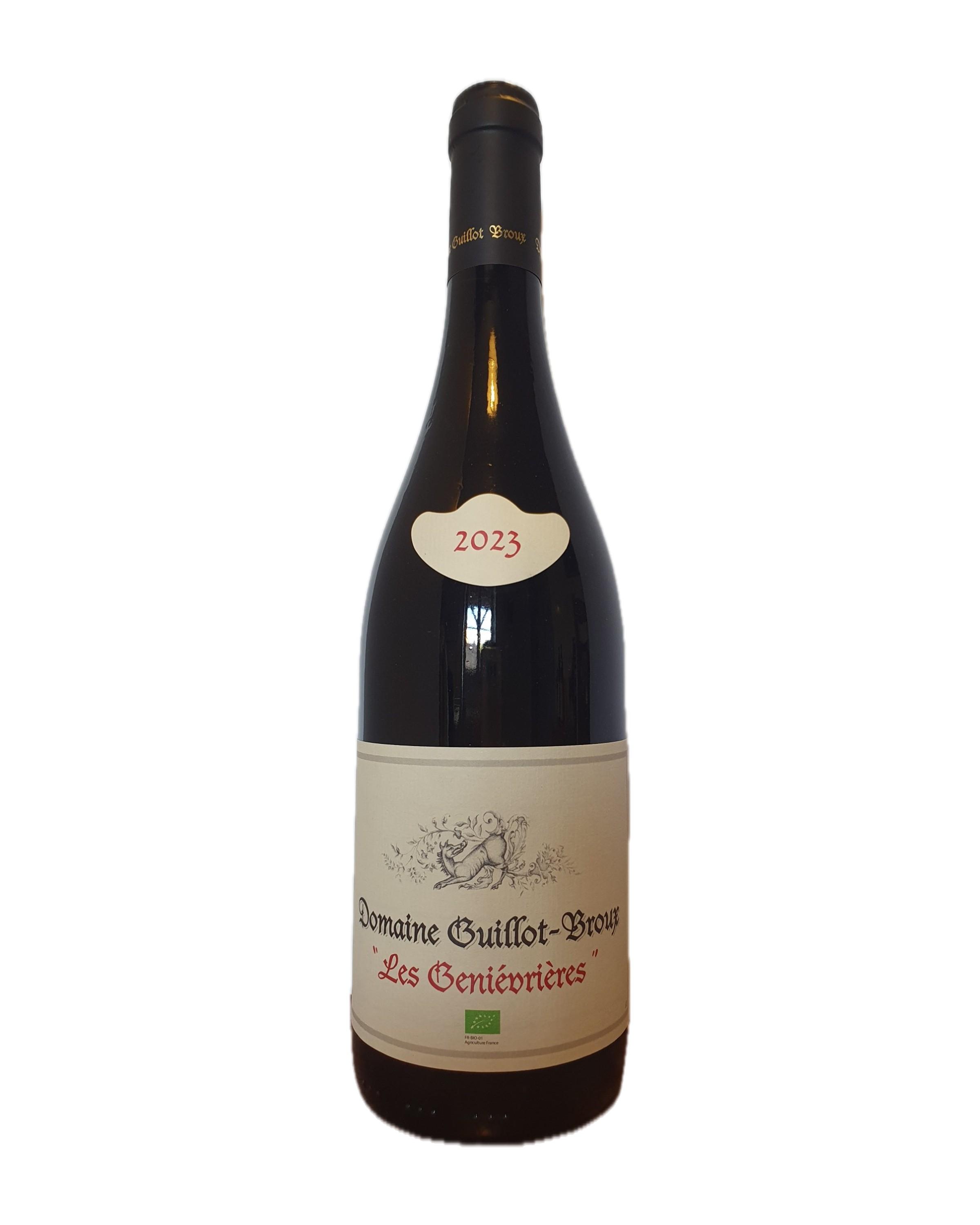
| Vineyards | Les Genièvrières, Les Molières, Beaumont, Les Perrières, Les Combettes, Clos de la Mollepierre, Le Clos, La Myotte |
| Grapes | Chardonnay (incl. chardonnay muscaté), Gamay, Pinot Noir |
| Terroir | Clayey limestone and marl, mostly east-facing |
| Area | 17 ha |
| Number of wines | 12 |
| Farming | Organic |
“A good wine is made in the vineyard, not in the cellar.” So says the family itself. They have farmed organically from the start and have been certified since 1991. Here they plough, sow cover crops between the vines and use only organic fertiliser. Planting density is deliberately very high, often more than 10,000 vines per hectare. Low intervention, a hands-off mentality and classic Burgundian winemaking.
It begins in 1954. That year Pierre and Jeannine Guillot start one of the first organic vineyards in Burgundy, having become convinced that natural farming was the future through meetings with, among others, Jules Chauvet – a big name for anyone who loves natural wine. Pierre was ahead of his time, you might say. His son Jean-Gérard and his wife Jacqueline Broux then create the present Domaine Guillot-Broux in 1978. They started with barely a hectare. Today there are seventeen, and many of the vineyards they cleared themselves from abandoned sites and replanted.
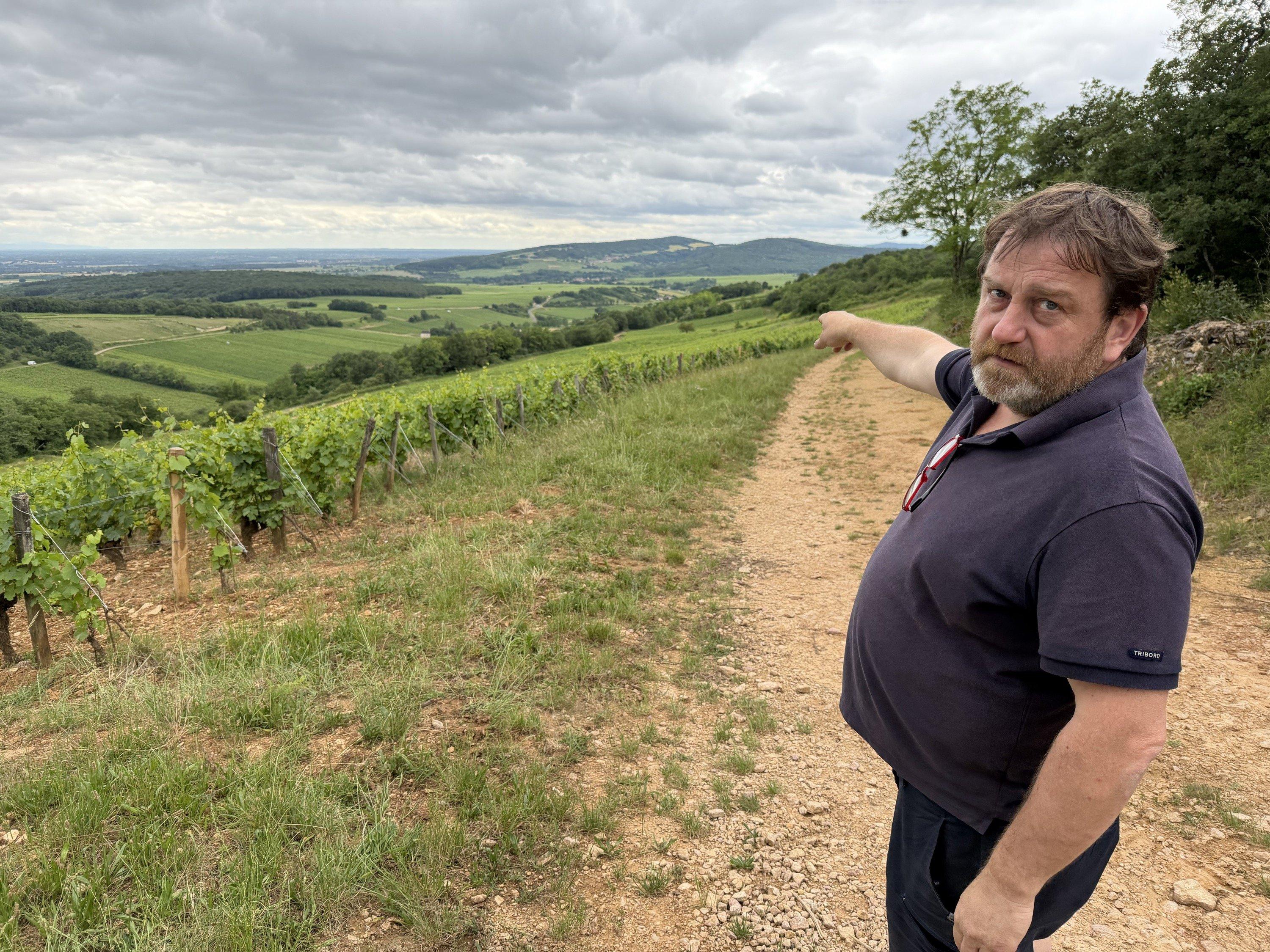
Seventeen hectares in three villages: Cruzille, Grévilly and Chardonnay. Most of the vineyards face east, on clayey limestone. In Cruzille the wines are mineral and need time. In Grévilly and Chardonnay the soil is deeper and the wines fruitier when young. Les Molières in Grévilly has red marl and vines from 1936, the domaine’s oldest. What makes it interesting is that it is an older clone of Chardonnay muscaté, which gives slightly spicier notes when young. An exciting and complex wine. The Gamay in Beaumont was planted in 1978. The vineyard names already appear in Napoleon’s land register. The slopes are meagre, and when we were there you could see the bedrock poking through like cracked slabs of white limestone.
Since 2026 Emmanuel Guillot and his English wife Karine have run the domaine on their own, after Emmanuel and his brother Patrice went their separate ways and divided the vineyards between them. Emmanuel is a strong character with real presence who fills the room – helped by a certain rotundity and a bushy beard. He is a sure hand in the kitchen after his years in London’s starred restaurants. I remember our meeting in June, when he quickly whipped up an omelette and asparagus and we enjoyed a perfectly mature Clos de la Mollepierre on the veranda, chatting about wine, food and what we wanted to achieve. The combination of winemaker and sure palate means he knows exactly how his wines should be. The work is of a high calibre, so to speak, with a measure of self-assurance that is entirely justified. You can taste that in the wines too.
Domaine Guillot-Broux
Domaine Guillot-Broux
Domaine Guillot-Broux
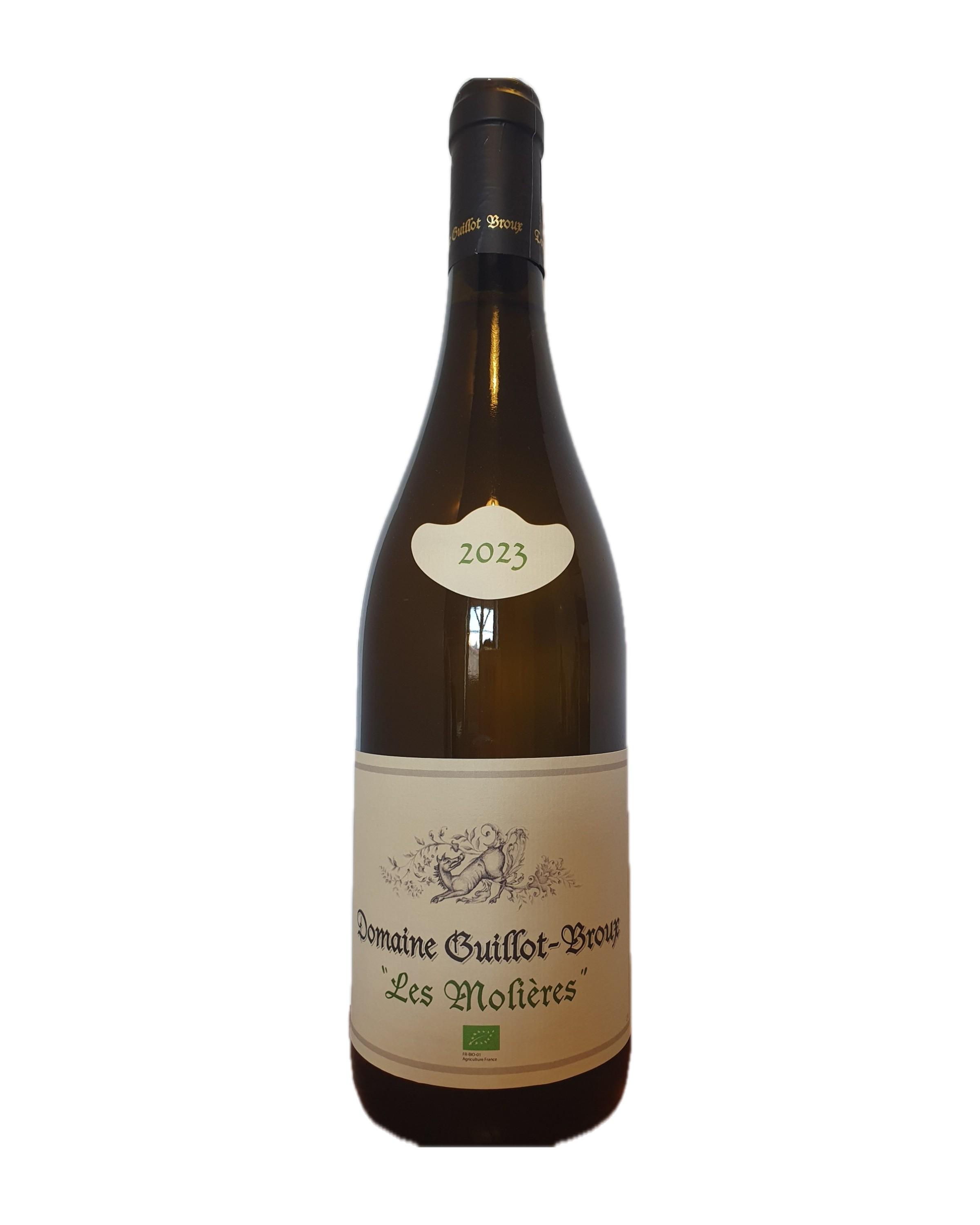
Domaine Guillot-Broux